Why Prenatal Nutrition Is Critical for Mother and Baby Health
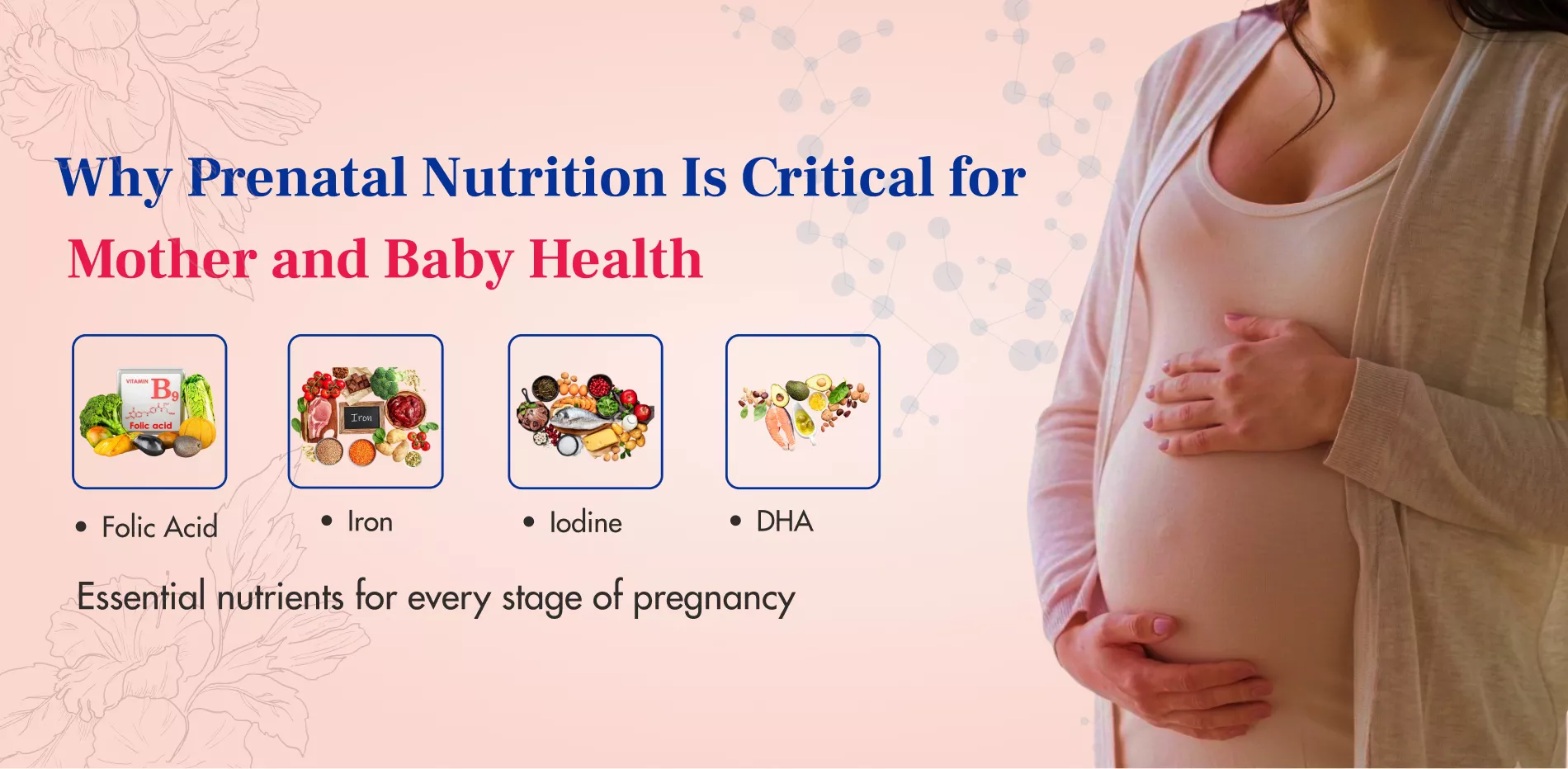
Table of Contents
Pregnancy is a time of rapid change, increased nutritional demand, and careful health planning. During these months, a woman’s body is not only supporting her own wellbeing, but also creating the environment needed for the healthy growth and development of a baby. This is why prenatal nutrition is one of the most important foundations of a healthy pregnancy.
Good nutrition during pregnancy is not simply about eating more food. It is about getting the right nutrients, in the right amounts, at the right time. Certain nutrients are especially important during pregnancy because they support fetal brain development, blood formation, bone growth, thyroid function, and maternal energy levels. Among the most important are folic acid, iron, iodine, and DHA. These nutrients are widely recognized for their role in maternal and fetal health, and they are often included in prenatal nutrition programs because many women may not get enough through diet alone.
Nutritional demands begin to rise very early in pregnancy, often before visible changes appear. In fact, some of the baby’s earliest developmental stages take place in the first few weeks, when the mother may not yet know she is pregnant. That is one reason prenatal nutrition should be treated as an early priority rather than a later concern. A strong nutritional foundation can help support a healthier pregnancy journey from the start.
Prenatal nutrition is important because the baby depends entirely on the mother for its supply of essential nutrients. Every stage of fetal development, from the formation of the nervous system to the growth of bones and organs, requires a steady and reliable nutrient supply. At the same time, the mother’s body undergoes major physiological changes, including increased blood volume, hormonal shifts, tissue growth, and changes in metabolism. All of these changes create a greater need for nutritional support.
One of the best-known nutrients in pregnancy care is folic acid. Folic acid, also called vitamin B9 in its supplemental form, is essential for cell division, DNA synthesis, and early tissue development. It is especially important during the first weeks of pregnancy because it supports the early development of the baby’s brain and spinal structures. This early stage is often one of the most sensitive periods in fetal development. Because of this, women are commonly advised to begin folic acid support before conception or as soon as pregnancy is confirmed. Folic acid also supports red blood cell formation and helps maintain a healthy nutritional balance during pregnancy.
Iron is another key nutrient that becomes increasingly important during pregnancy. The body needs iron to produce hemoglobin, the protein in red blood cells that carries oxygen throughout the body. During pregnancy, maternal blood volume expands significantly, which increases the demand for iron. This added iron is needed to support the mother’s circulation, the placenta, and the growing baby. If iron intake is too low, women may experience fatigue, weakness, and reduced stamina, all of which can affect daily wellbeing during pregnancy. Since tiredness is already common during this stage, maintaining good iron intake becomes even more important. Iron support during pregnancy helps maintain healthy blood formation and supports oxygen delivery where it is needed most.
Iodine is also essential during pregnancy, although it is sometimes overlooked in general conversations about maternal health. Iodine is needed for the production of thyroid hormones, which are critical for metabolism, growth, and neurological development. During pregnancy, adequate iodine intake helps support maternal thyroid function and contributes to the baby’s brain and nervous system development. In the early stages of pregnancy, the baby depends heavily on the mother’s iodine intake because fetal thyroid function is not yet fully developed. This makes iodine an important part of overall prenatal care. Consistent intake matters because dietary iodine levels can vary depending on food habits, access to fortified foods, and regional differences in diet.
DHA, a long-chain omega-3 fatty acid, is another important nutrient in pregnancy. DHA is widely known for its role in supporting fetal brain and eye development. As the baby grows, especially during later pregnancy, DHA contributes to the development of the nervous system and visual function. Maternal intake of DHA matters because the baby depends on the mother for this nutrient. Women who consume little or no oily fish or other omega-3-rich foods may not always achieve consistent dietary intake. This is why DHA is often considered an important part of focused prenatal nutritional support during pregnancy.
Although folic acid, iron, iodine, and DHA are often highlighted, a healthy pregnancy depends on a wider range of nutrients as well. Calcium is needed for the development of the baby’s bones and teeth and also helps support the mother’s own bone health. Vitamin D supports calcium absorption and contributes to bone and immune health. Vitamin B12 works alongside folate in blood formation and neurological support. Zinc plays a role in cell growth and immune function. Vitamin C contributes to immune health and supports iron absorption. Magnesium helps with muscle function, energy metabolism, and overall nutritional balance. These nutrients do not work in isolation. Pregnancy nutrition is most effective when it provides broad, reliable support across multiple systems.
Nutrient deficiency during pregnancy can create risks for both mother and baby. In some cases, deficiencies may develop gradually, with mild symptoms that are easy to ignore. In other cases, women may notice fatigue, weakness, low energy, poor appetite, or difficulty maintaining general wellbeing. Nutritional shortfalls during pregnancy can reduce maternal nutrient reserves at a time when the body is under increased demand. They may also affect the body’s ability to support fetal growth and development efficiently. This is why prenatal nutrition should be viewed as a core part of maternal care, not simply an optional wellness step.
A common question is whether a healthy diet alone is enough during pregnancy. A balanced diet is always the starting point. Meals that include fruits, vegetables, whole grains, dairy or suitable alternatives, legumes, nuts, eggs, fish, and quality proteins can provide many essential nutrients. However, in real life, it is not always easy for every pregnant woman to meet her full nutritional needs through food alone. Nausea, vomiting, poor appetite, food aversions, restricted diets, and inconsistent meal quality can all make it harder to maintain adequate intake. Some women may also begin pregnancy with already low nutrient stores. For these reasons, healthcare professionals often recommend prenatal supplementation during pregnancy to help support more consistent daily intake of critical nutrients.
This does not mean supplements replace healthy food. Rather, they help strengthen nutritional coverage during a time when demands are significantly higher. Prenatal nutritional support is especially valuable because pregnancy is not nutritionally static. Requirements change as pregnancy progresses. Early pregnancy places special emphasis on folate and early cell development. Later stages increase demand for blood formation, fetal growth, and brain and eye development. A good prenatal routine helps cover these changing needs more consistently.
Another important question is when women should start prenatal supplements. The answer is ideally before conception, or as early in pregnancy as possible. Early nutritional support matters because some of the baby’s most important developmental processes happen before the end of the first trimester. Waiting until the second or third trimester may mean missing an important window for nutrients such as folic acid. Women who are planning pregnancy are often encouraged to begin building nutritional support in advance. For women who are already pregnant, starting early still offers significant benefits. The goal is to establish reliable nutritional intake before deficiencies develop or demands outpace intake.
Prenatal nutrition also supports the mother’s own health in meaningful ways. Pregnancy places extra demands on energy, circulation, metabolism, and tissue growth. Good nutritional intake can help support daily strength, healthy blood levels, and overall wellbeing. This matters because maternal health and fetal health are closely linked. Supporting the mother is one of the most practical and effective ways to support the baby. Better maternal nutrition helps create a better environment for healthy fetal development.
Practical habits can help women maintain better nutrition during pregnancy. Eating regular, balanced meals is one of the most important steps. Meals should ideally include a mix of protein, complex carbohydrates, healthy fats, vegetables, and fruit. Hydration also matters, since fluid needs increase during pregnancy. Women should attend regular antenatal visits so healthcare professionals can monitor nutritional status and general health. Iron-rich meals may be paired with vitamin C sources to support better absorption. Women should also follow medical advice about prenatal supplements and avoid assuming that all nutritional products are interchangeable. Individual needs may vary depending on diet, health status, and stage of pregnancy.
It is also important to remember that prenatal nutrition is not about perfection. Pregnancy can come with changing appetite, food sensitivities, and physical discomfort. The goal is not to eat perfectly every day, but to maintain a steady pattern of good nutritional support over time. Small, consistent choices often matter more than occasional ideal meals. A structured prenatal nutrition approach helps reduce uncertainty and supports better daily habits.
Modern maternal healthcare increasingly recognizes that preventive support matters. Rather than waiting for deficiency symptoms to appear, prenatal nutrition aims to build a stronger foundation from the beginning. This approach is practical, science-based, and relevant across different healthcare settings. It reflects a broader understanding that healthy pregnancy outcomes are supported not only by medical care, but also by the everyday nutritional choices made throughout pregnancy.
Conclusion
In conclusion, prenatal nutrition is critical because it supports both maternal wellbeing and healthy fetal development during one of the most demanding stages of life. Nutrients such as folic acid, iron, iodine, and DHA play especially important roles in early development, blood formation, thyroid support, and brain and eye growth. Broader vitamin and mineral support also helps maintain maternal energy, bone health, and overall nutritional balance. Because the demands of pregnancy often exceed what diet alone can reliably provide, prenatal nutritional support is commonly recommended as part of a complete pregnancy care plan. Starting early, staying consistent, and combining a healthy diet with appropriate professional guidance can help create a stronger foundation for mother and baby health throughout pregnancy.